


The music industry is evolving, and perhaps our understanding of music ownership needs to evolve with it. What has been happening between Clive Mono Mukundu and Fungisai Mashavave opens a much deeper and necessary conversation about copyright and intellectual property in Zimbabwe’s music industry.
Opinion piece by Timothy Kuhamba

What actually makes someone the owner of music? If a guitarist or band member composes a guitar part, melody, arrangement or other important element of a song, does the singer automatically own that contribution simply because the song was released under the singer’s name? Where do we draw the line between the performer, composer, songwriter, arranger, producer and owner of the copyright? The conversation becomes even more complicated when a musician dies. We often hear people saying, “That was my father’s music,” “That was my husband’s music,” or “That is our family’s music.” Emotionally and historically, that may be completely understandable. But legally, does being the son, daughter, husband or wife of a musician automatically give you the rights to that musician’s music? What exactly does it mean to inherit music rights? If someone owns a house and dies, there is normally an estate process that determines who inherits the property. Should intellectual property not also be treated as an asset of the estate?
Who inherits the copyright, royalties and other rights the spouse, children, beneficiaries named in a will, or whoever is legally entitled through the estate? This raises another important question: how many Zimbabwean musicians have properly documented ownership of their works and made clear who should control those rights after they die?
Do musicians understand the difference between writing a song, performing it, arranging it, producing it, owning the master recording and owning the underlying composition? And what does Zimbabwean law actually say about all of this?
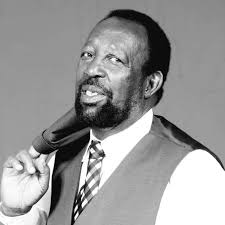


For years, many of our disputes have centred around copyright and royalties. Now we are increasingly seeing broader questions around intellectual property, authorship, ownership and inheritance. This is where organisations such as ZIMURA also come into the conversation. Is enough being done to educate musicians about copyright, intellectual property, contracts, royalties and succession? Or are musicians not attending workshops and engaging with these institutions because there is a lack of awareness or trust? These conversations are important because they will shape the future of Zimbabwe’s music industry. Artists, composers, instrumentalists, producers and their families need to understand their rights before disputes arise, not after someone has died or a song has become successful.
As Albert Nyathi famously asks: “What’s peace? Whose peace? Whose justice?”
Perhaps the Zimbabwean music industry now needs to ask its own version of that question: Whose song? Whose composition? Whose rights? Whose royalties? And ultimately whose justice? The music industry needs clarity.
The music industry needs education. And above all, the music industry needs justice.
Discover more from earGROUND
Subscribe to get the latest posts sent to your email.


